
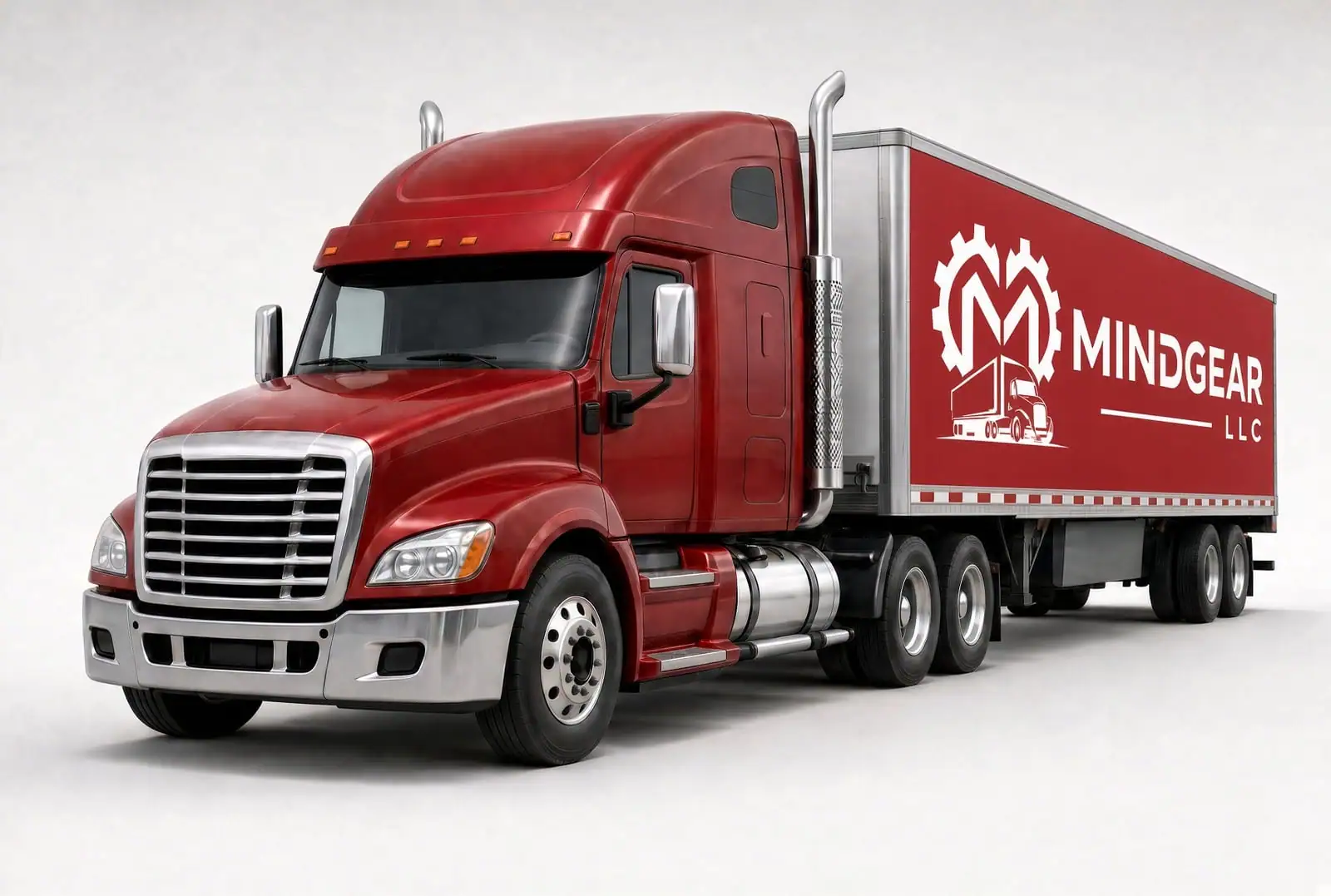
Enclosed trailers
Dry Van dispatch
Dry van dispatch focuses on keeping an enclosed 53-foot trailer loaded with general freight, while reducing deadhead and long waits at shippers.
Equipment
Dispatching changes with the equipment. Freight, rate drivers, and paperwork differ between a reefer, a flatbed, and a box truck. Choose your equipment to see what MindGear considers when planning your loads.
Showing 6 of 6 equipment types
Dry van dispatch focuses on keeping an enclosed 53-foot trailer loaded with general freight, while reducing deadhead and long waits at shippers.
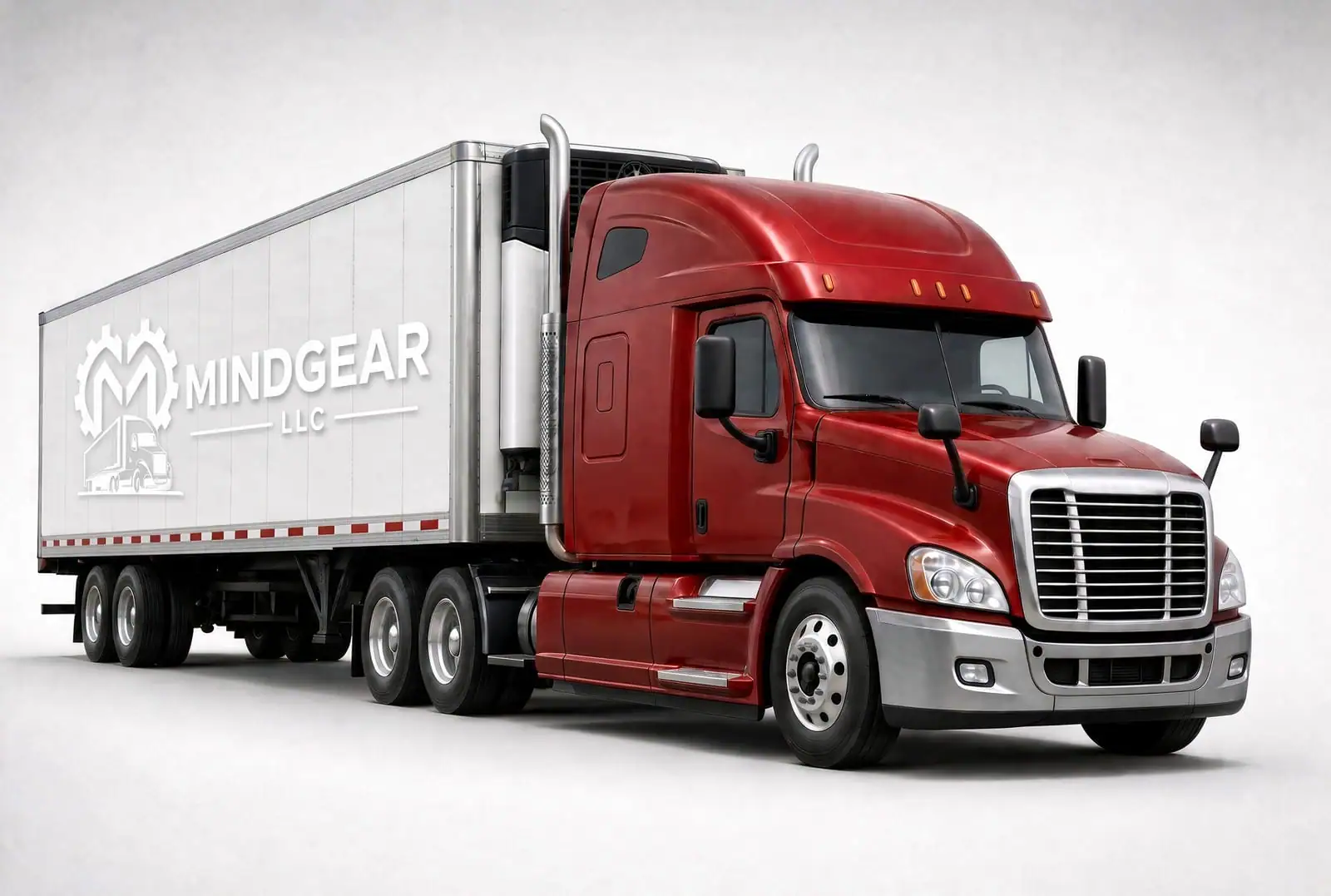
Reefer dispatch handles temperature-controlled freight, where set points, pre-cooling, and on-time delivery are part of every load decision.
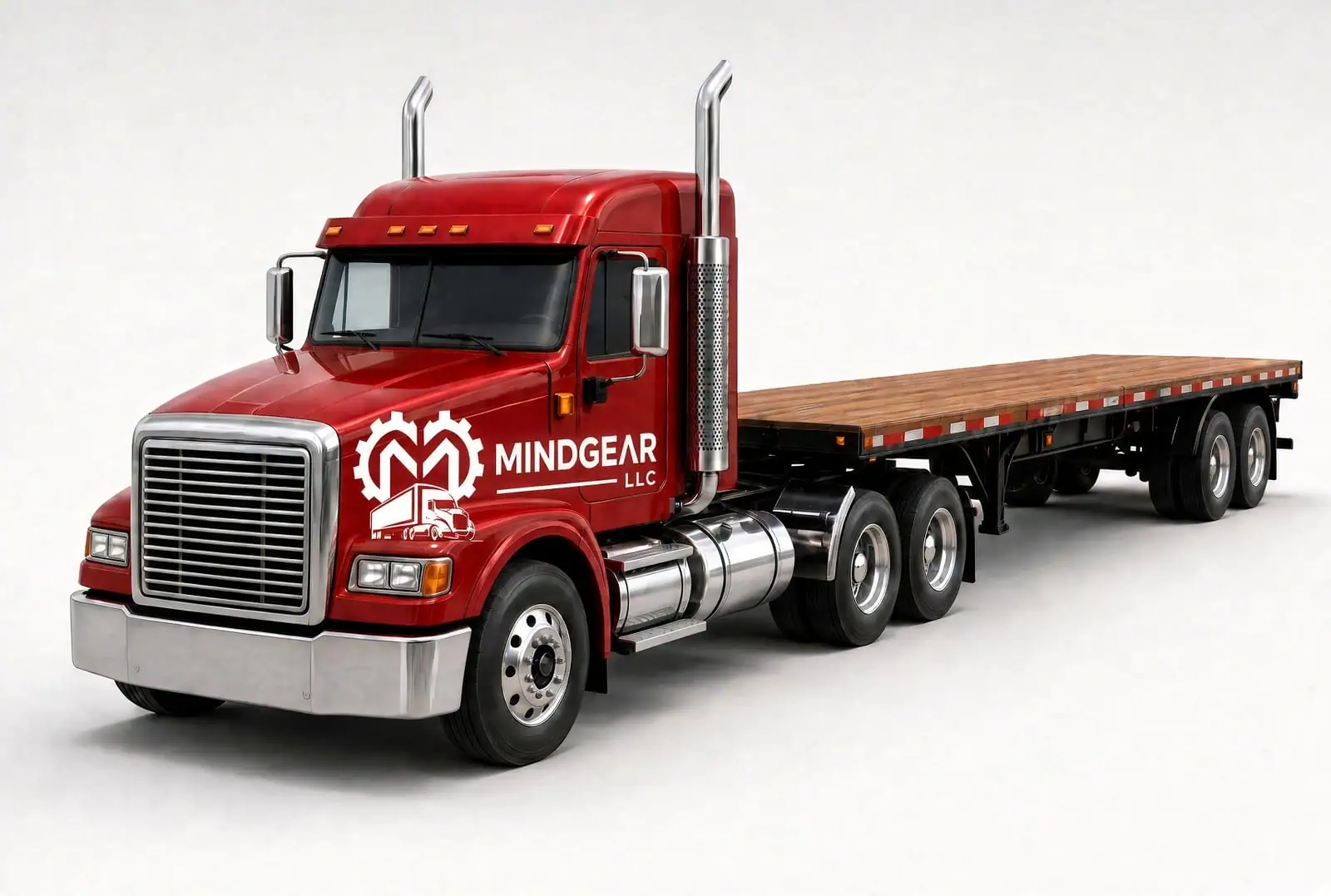
Flatbed dispatch matches open-deck trucks with freight like steel, lumber, and machinery, accounting for securement, tarping, and dimensions.
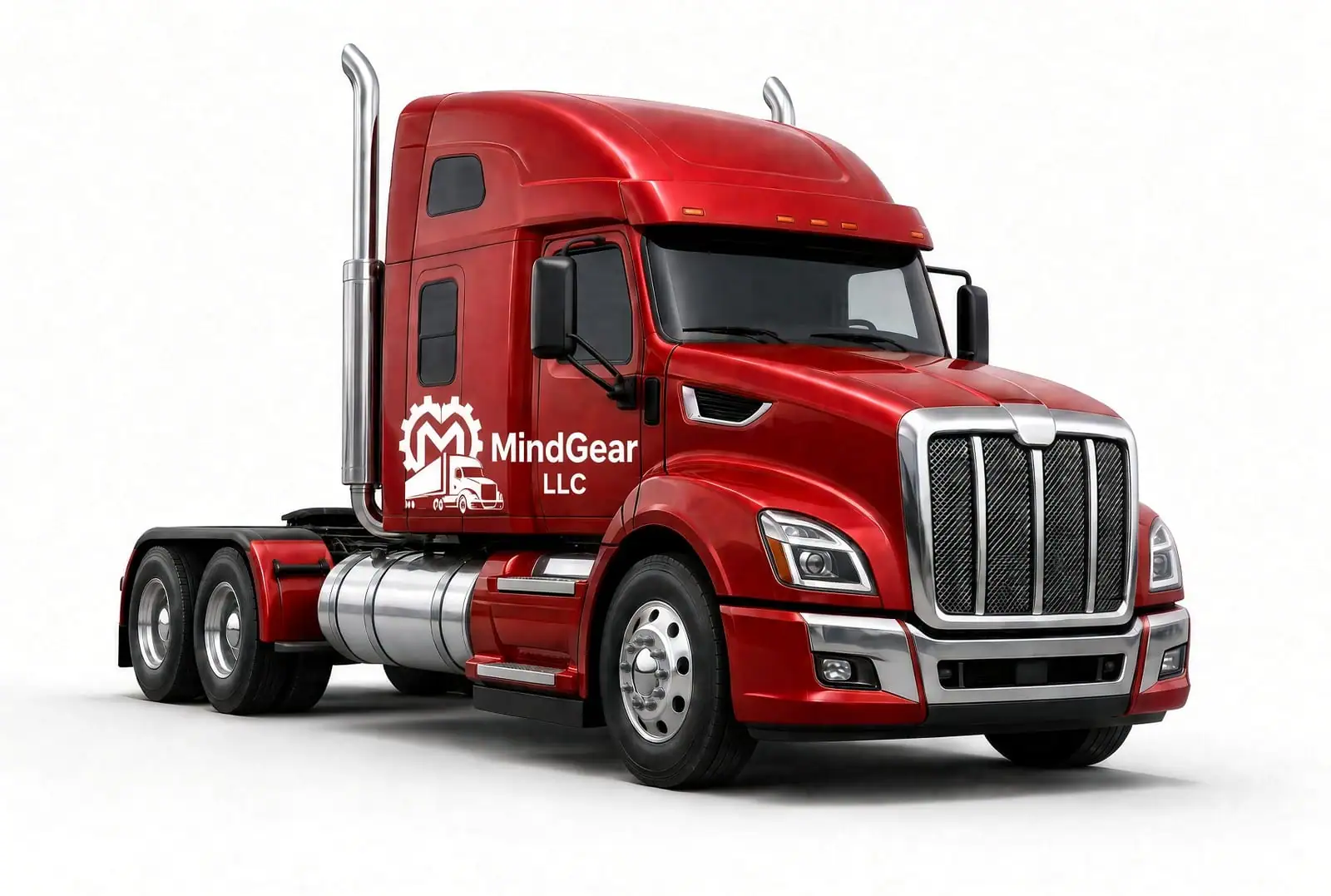
Power-only dispatch finds loads where you supply the tractor and haul a trailer provided by the shipper, broker, or a trailer pool.
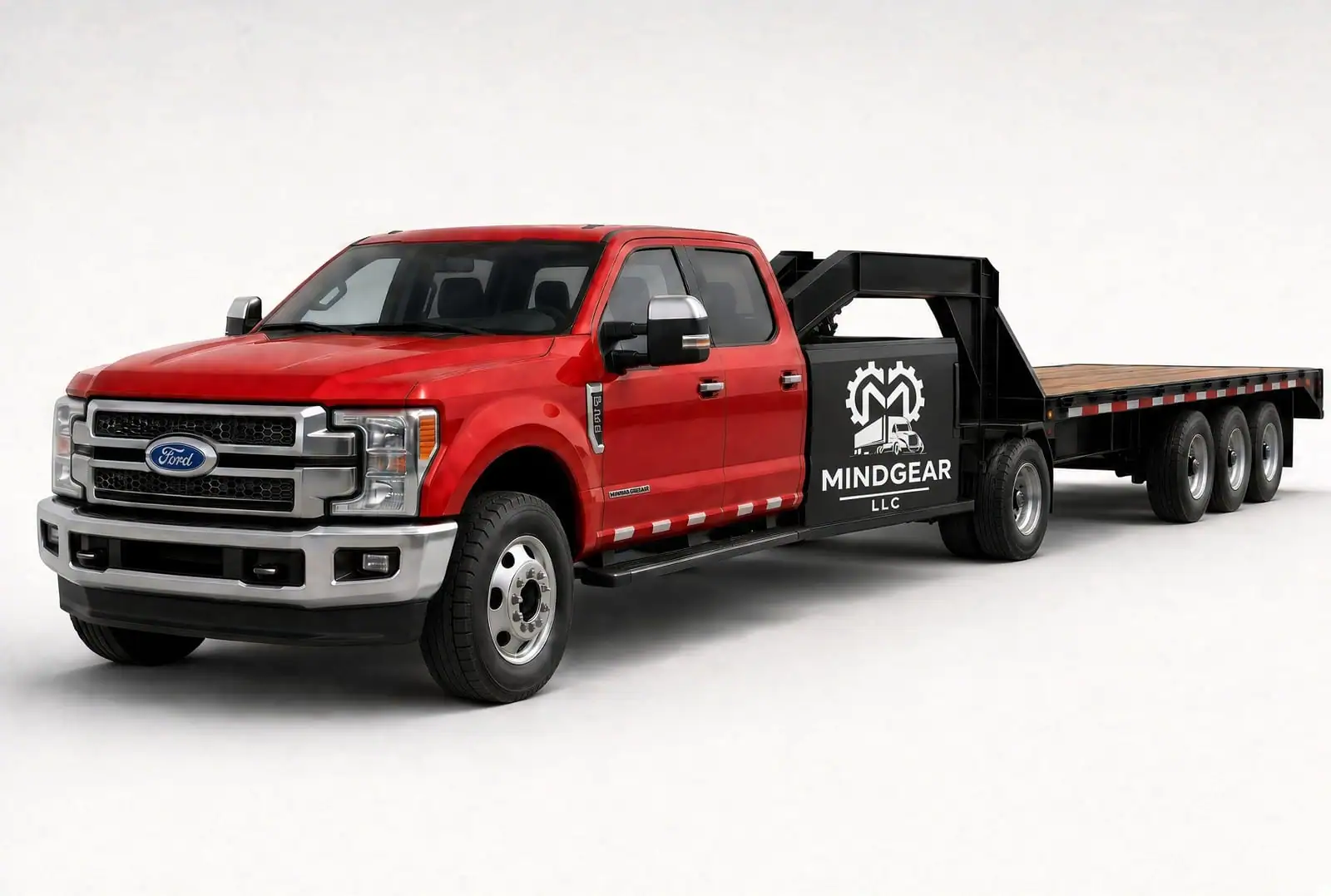
Hotshot dispatch finds smaller, time-sensitive loads for pickup trucks pulling gooseneck or bumper-pull trailers, often for direct, expedited delivery.
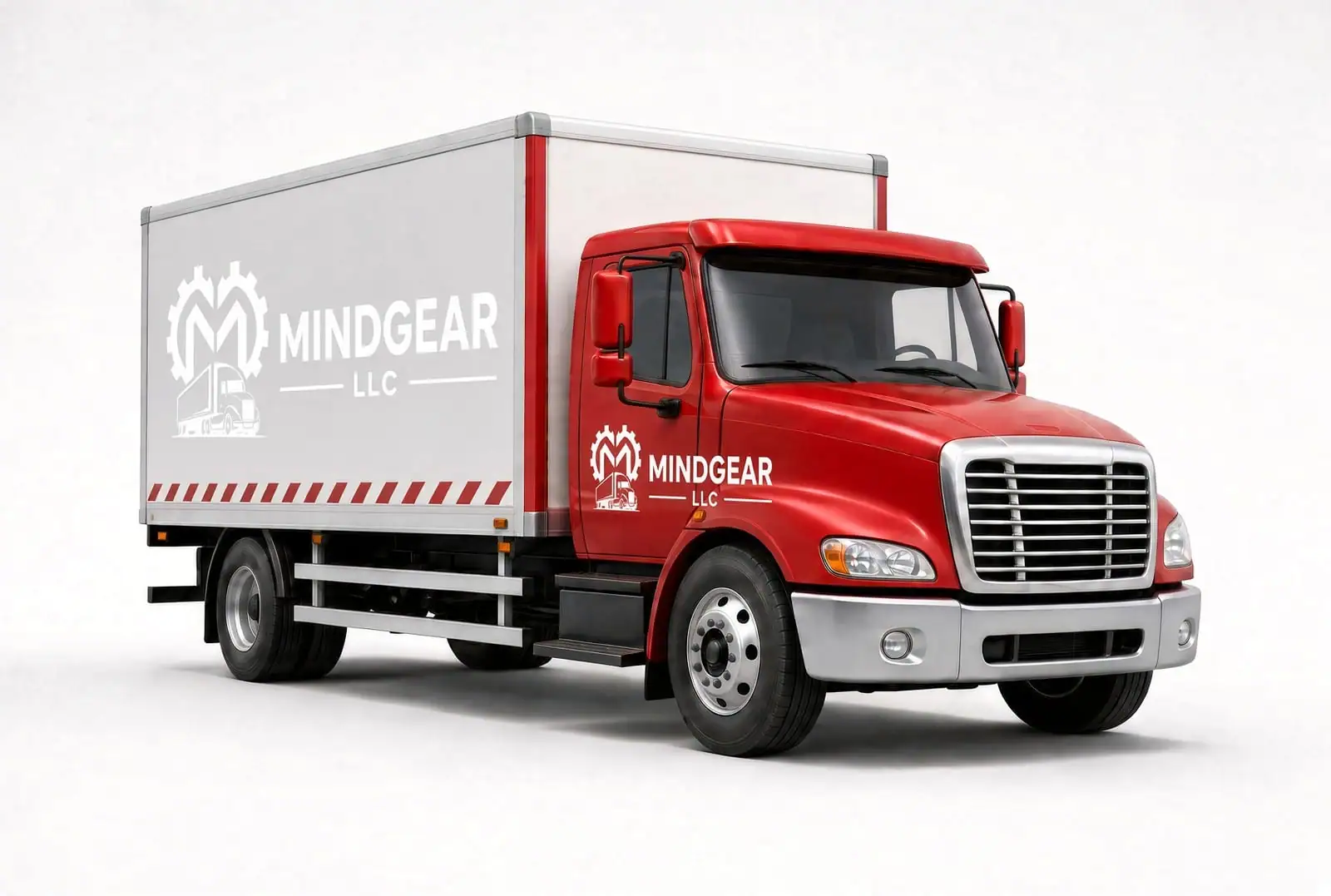
Box truck dispatch keeps straight trucks busy with local and regional freight, including LTL-size shipments, final-mile deliveries, and liftgate loads.
| Equipment | Typical freight | Key dispatch consideration |
|---|---|---|
| Dry Van | Packaged consumer goods, Paper and packaging | High competition, high volume |
| Reefer | Fresh produce, Frozen foods | Temperature instructions |
| Flatbed | Steel and metal products, Lumber and building materials | Securement and tarps |
| Power Only | Pre-loaded trailers from distribution centers, Trailer repositioning moves | Trailer interchange coverage |
| Hotshot | Oilfield and construction equipment, Agricultural equipment | Weight ratings |
| Box Truck | Palletized partial loads, Retail and furniture deliveries | Size and liftgate |
Tell us about your equipment in the consultation form and we will let you know whether MindGear can help.