
Equipment
Dry Van dispatch
Dry van dispatch focuses on keeping an enclosed 53-foot trailer loaded with general freight, while reducing deadhead and long waits at shippers.
In short
Dry van dispatch focuses on keeping an enclosed 53-foot trailer loaded with general freight, while reducing deadhead and long waits at shippers.
What is a dry van?
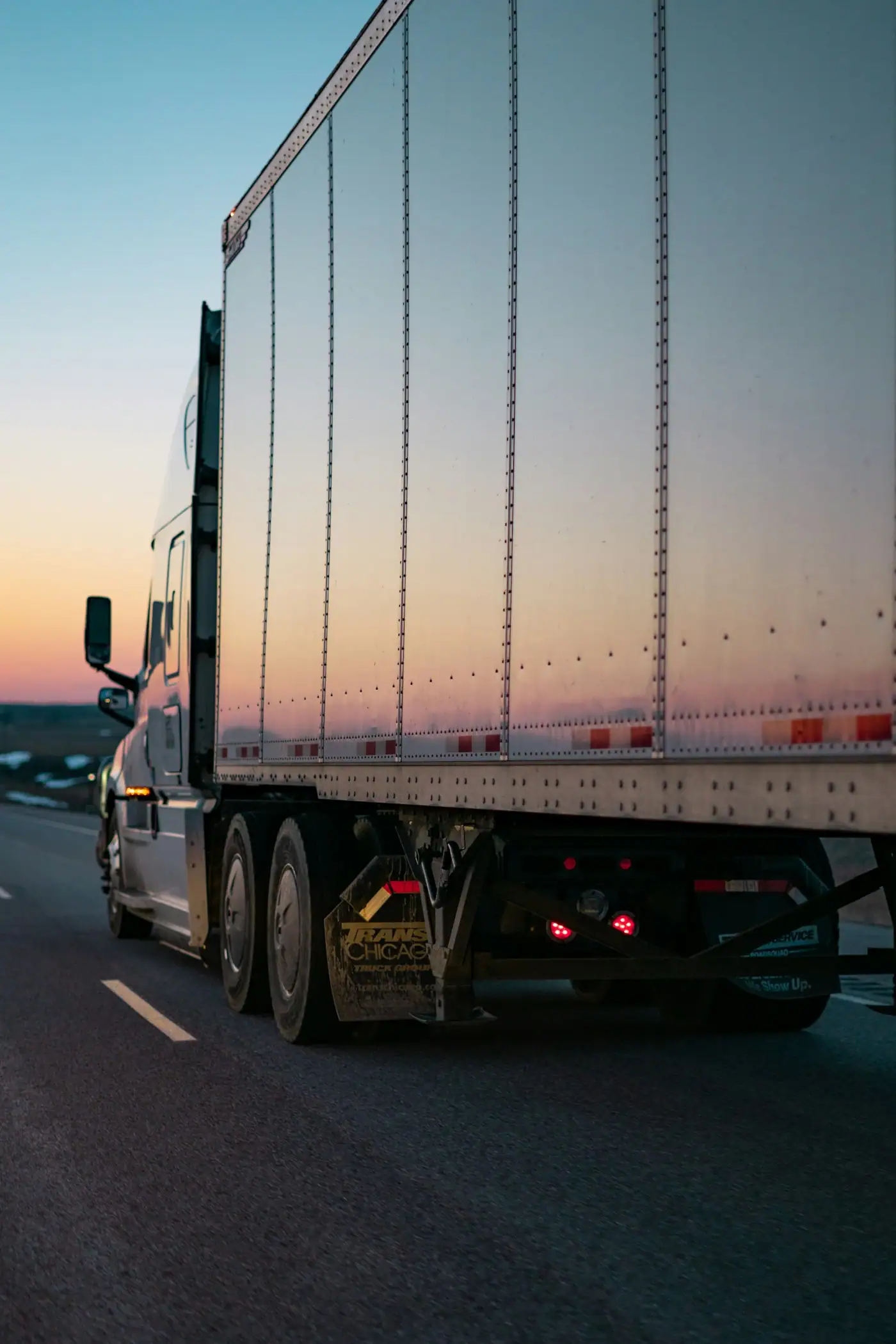
A dry van is a fully enclosed, non-temperature-controlled trailer, most commonly 53 feet long. It protects freight from weather and theft, which makes it the default choice for most palletized and boxed general freight.
Common dry van freight
- Packaged consumer goods
- Paper and packaging
- Non-perishable food and beverages
- Retail and e-commerce freight
What we consider when dispatching a dry van
High competition, high volume
Dry van has the largest share of posted loads and the most trucks competing for them, so lane strategy and timing matter.
Appointments and detention
Many dry van loads are live loads at distribution centers. We watch appointment windows and document detention when it occurs.
Drop-and-hook
Where available, drop-and-hook loads can save hours at the dock. We look for them when they fit your plan.
What to have ready for your consultation
- Trailer length and door type (swing or roll-up)
- Maximum legal payload you can haul
- Load locks or straps on board
- Preferred lanes and home time
Dry Van dispatch questions
Can a dry van haul food?
Yes, if the food does not need temperature control. Some shippers have trailer cleanliness requirements, which we confirm before booking.
Last updated
Ready to talk through your operation?
Tell us about your truck, your lanes, and your goals. We will follow up to discuss how dispatch support could work for you.